GCC Green Steel: EPD Leads in 2026
Shift in GCC Green Steel Standards
The rules of steel procurement in the GCC are changing fast, and if you’re in construction, you can’t afford to ignore it. The rise of GCC green steel is transforming what used to be a straightforward decision based on strength, cost, and delivery timelines into something far more complex and strategic.
Today, the industry is shifting toward sustainability-driven criteria. In addition to performance and price, factors like carbon footprint, traceability, and environmental transparency are becoming key decision points. This isn’t a distant trend; it’s already shaping how projects are evaluated and approved.
More importantly, this transformation is being driven by landmark developments such as NEOM and Red Sea Global. These projects are setting a new benchmark, making sustainable procurement no longer optional but a core requirement for participation. As a result, green steel standards across the GCC are gaining real traction, with Environmental Product Declarations (EPDs) emerging as a critical tool for compliance and credibility.
So what does this mean in practice? For construction professionals, this shift brings both pressure and opportunity. On one hand, there are new mandates and expectations to meet. On the other hand, early adopters can position themselves ahead of the curve, gaining a clear strategic advantage in an increasingly competitive and sustainability-focused market.
Green Steel Gap: Mandates and Implications

New mandates require the use of low-carbon materials, backed by Environmental Product Declarations (EPDs) and Life Cycle Assessment (LCA) documentation. These requirements are not merely recommendations; they are prerequisites for tender qualification in flagship projects. The focus on sustainability introduces a “Green Steel Gap,” compelling manufacturers to innovate and document their environmental impact or risk exclusion from future opportunities.
Defining Green Steel in the GCC Context
‘Green Steel’ in the GCC is defined by quantifiable and auditable metrics. It must demonstrate lower CO₂ emissions, efficient energy usage, optimized sourcing, and verified environmental impact. These requirements are practical and measurable, ensuring that steel labeled as ‘green’ stands up to scrutiny. Third-party audits and transparent reporting are integral to validating claims, making Green Steel a tangible standard rather than a marketing term.
EPDs: Role and Requirements
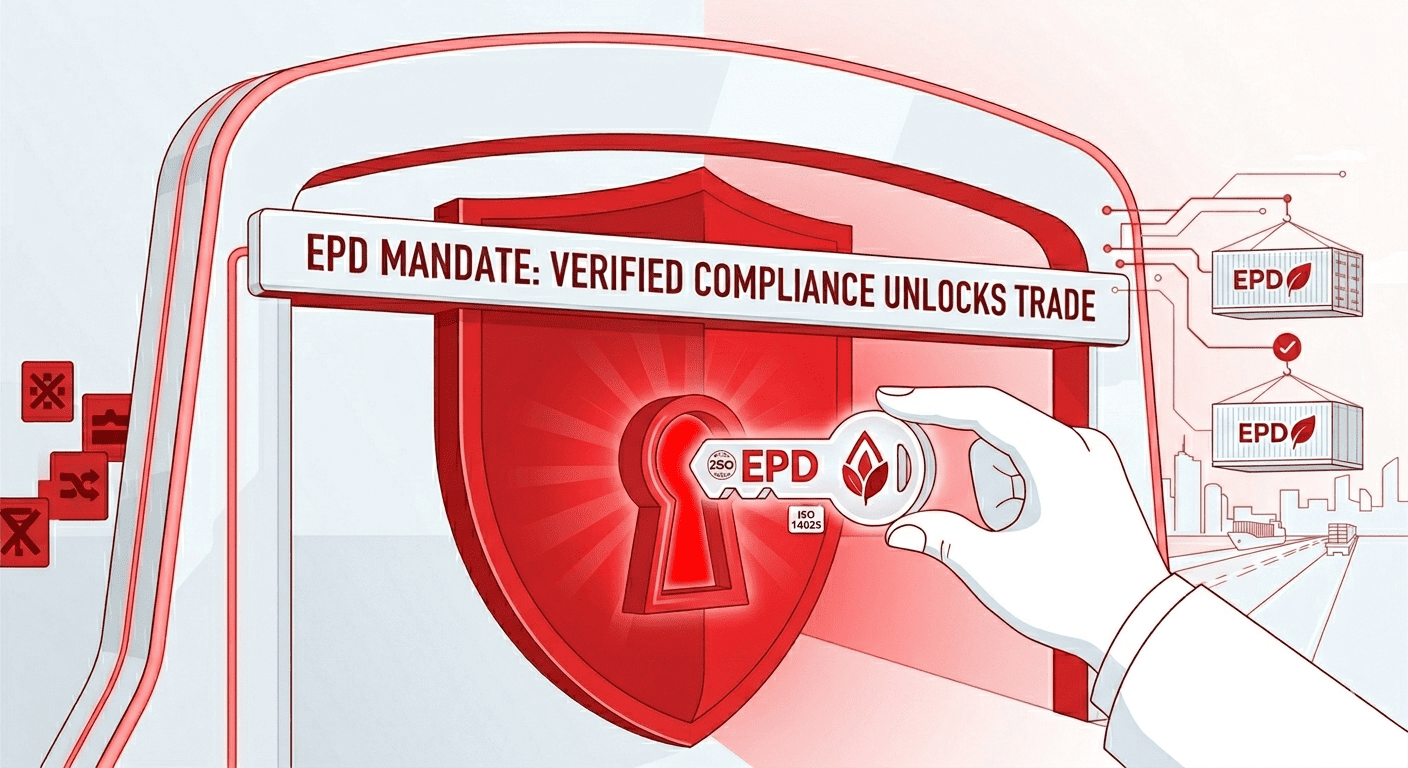
Environmental Product Declarations (EPDs) serve as gatekeepers in GCC construction tenders. They provide standardized, independently verified data on the environmental impact of steel products, enabling fair comparison and compliance assessment. EPDs are now required for material approval, ensuring that only sustainable products enter the supply chain. Their presence is pivotal for manufacturers seeking to qualify for major projects.
ERW Steel: Decarbonization Benefits
Electric Resistance Welded (ERW) steel offers significant decarbonization advantages. Its production process is more energy-efficient and emits less CO₂ compared to traditional methods. By adopting ERW steel, project developers can reduce their overall carbon footprint and meet stringent sustainability targets. The material’s traceability and compatibility with EPD certification further strengthen its role in green construction.
Scaffolding: Carbon Impact and EPD Certification

Scaffolding, often overlooked, plays a crucial part in decarbonization efforts. EPD-certified scaffolding not only ensures compliance but also reduces environmental impact throughout the project lifecycle. Manufacturers providing scaffolding with verified EPDs demonstrate commitment to sustainability, enhancing their qualification for tenders and supporting the GCC’s environmental goals.
Three-Layer Qualification Model: Compliance, Safety, Environment
Major GCC projects now employ a three-layer qualification model: compliance with sustainability mandates, adherence to safety standards, and environmental transparency. This holistic approach ensures that only responsible manufacturers participate, driving industry-wide improvement and innovation.
Strategic Direction and Market Positioning
ALTRAD SPAR Steel’s adoption of EPDs and sustainable manufacturing practices positions the company at the forefront of the industry. By investing in low-carbon technologies and transparent reporting, SPAR Steel gains a competitive advantage, securing access to high-profile projects and enhancing its reputation as a leader in environmental stewardship.
Sustainability as a Contractual Requirement
The imperative for steel manufacturers is clear: invest in sustainability or risk losing access to future project pipelines. As GCC regulations continue to mature, environmental performance is no longer optional but a contractual baseline. EPDs, Green Steel adoption, and verified decarbonization strategies are now central to maintaining eligibility and competitiveness within the region’s fast-growing construction market.
For further information on our approach, capabilities, or collaboration opportunities, please contact us below.
Contact Information
Website: www.sparsteel.com
Email: info@sparsteel.com